


Physical Therapy Vs. Chiropractic


Physical therapy and chiropractic are sometimes thought to be the same thing and sometimes thought to be completely independent of each other and both statements in an odd way can be true. There are similarities and difference. The goal of this blog is to make a little bit more distinction between these two things and clear up this gray area. Hopefully, after reading this blog you will have a better understanding of the similarities and differences and which one may be suited for you.
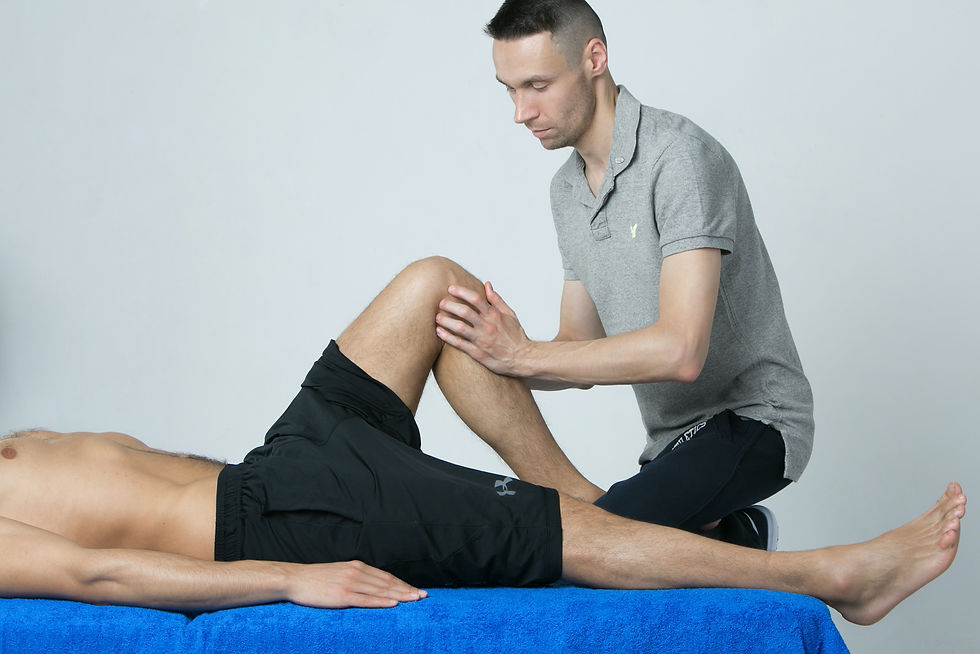
First off, let's start with defining both.
Physical therapy is a dynamic healthcare profession that evaluates, diagnoses, and treats conditions that limit a person's ability to move and function. It can be necessary following an injury, following a surgery, for pain management, neurologic conditions (balance disorders, parkinson's, etc.) or for returning to a sport or returning to function.

Chiropractic care is a non-invasive and drug-free healthcare discipline focused on diagnosing and treating musculoskeletal disorders. It primarily emphasizes manual manipulation (adjustments) of the spine and joints to relieve pain, improve physical function, and support the body's natural ability to heal. They will sometimes suggest stretches or exercises to assist with healing.
Next, let's discuss the similarities of both professions. Both professions treat musculoskeletal conditions that are limiting patient's function. They both work with joints and soft tissue conditions. They both help with pain management, mobility, and return to function. Both will generally provide some exercise guidelines to improve treatment and progress. Both use non-surgical approaches to address treatment for pain and injury. Finally, Both professions require the practitioners to go through doctoral level training, and require them to pass a state board exam to obtain their licenses, which they have to continue to keep in good standings to continue to practice.

Now that we have covered similarities, we will go over the differences in both treatment approaches. Although both professions state that they treat musculoskeletal injuries, their approaches are very different. Physical Therapy focuses on whole body movement and function, where as chiropractic care focuses on spinal alignment, joint alignment, and the nervous system. Physical therapy's primary goal is to restore physical function, mobility, and strength, while chiropractic's primary goal is to improve joint mechanics and correct spinal alignment. Physical Therapist use techniques such as exercises, stretching, movement retraining, and manual techniques (such as soft tissue mobilizations, joint mobilizations, and manual stretching) to accomplish the goals, while chiropractors utilize hands on joint and spinal adjustments. Now, in this day an age of change and expansion, chiropractors have been known to also focus on exercises, and physical therapists have been including more joint and spinal adjustments in their treatment plans, so there is some overlap. For physical therapy, the patient plays a very active role in their care plan, where as with chiropractic the patient's have more of a passive role. Physical Therapist treat most musculoskeletal issues, including post-operative care, orthopedic and sports injuries, neurologic conditions, and post-injury care, where as Chiropractic's mainly focus on neck and back injury recovery.

None of these statements are the hard fast rules, this is mainly a generalization of care plans. There is some overlap of treatment methods, particularly with joint manipulations and alignments, which can occur in both professions, as well as exercises can be used in both professions, it is just manipulations are more likely to be the focus of treatment in chiropractic offices and exercises will be more of the focus in physical therapy practices.
So in summary, both may be a good option for treatment depending on your injury and your recovery needs. Occasionally these treatments can be utilized in unison to optimize care, but it is important to let both practitioners know that you are seeing both to help align your plan of care appropriately. Hope this helps you to make a more informed decision with your rehabilitation following pain or injury.


Comments