


Quadriceps Strain- And the Quest for Recovery

A quad strain is characterized by a stretch or a tear in the quadriceps muscle group located in the front of the thigh. This can feel like an agonizing pain that intensifies with each step. This injury is common especially in athletes due to the mechanical nature of the injury. This kind of injury typically occurs when the quadriceps are overstretched or are forced to contract too quickly. In this blog, we will review the quadriceps anatomy, what a muscle strain is, common symptoms of a quad strain, recovery, and different preventative measures you can take to hopefully avoid this injury in the future.

What muscles make up the quadriceps?
The quadricep (or quad) muscles are a group of 4 different muscles that are found along the front of the thigh. These 4 muscles work together to primarily extend the knee. One of these 4 muscles, called rectus femoris, originates above the hip which also acts as a hip flexor. The other quad muscles are called Vastus lateralis, Vastus intermedius, and Vastus medialis. These are crucial muscles for walking, jumping, running, and squatting. Lastly, the vastus medialis also plays a roll in stabilizing the patella during functional movements.
What’s a muscle strain and how would this affect the quadriceps?
A muscle strain happens when the muscle becomes overloaded during an activity. When this overload occurs, there is a macro tear within the muscle belly. These macro tears are typically graded from 1-3 depending on the severity of the tear. Now, this is not to be confused with the micro tearing that occurs in the muscle belly resulting from regular weightlifting exercises to help build muscle. A macro tear occurs as the result of a rapid stretch, rapid forced contraction, or from an excessive eccentric contraction.

Causes and Symptoms of a Quad Strain
When the quad is strained it tends to manifest though specific and recognizable symptoms. The most common symptom is severe, sharp pains that will run through the front of the thigh. This is typically felt immediately after the injury occurs. Other symptoms include swelling, muscle weakness, and bruising which make it difficult to walk or move the affected leg. Lastly, as the muscle starts to cool down after a strain, you may also experience a feeling of tightness or stiffness throughout the muscle group.
Who is at risk and how long does it take for a quad stain to heal?
Quad strains are most prevalent among athletes and individuals engaging in high-intensity activities such as soccer, basketball, football, running and cycling due to the sudden starts, stops, or changes in direction occur. However, it is important to note that anyone can truly be at risk, especially for those who have poor flexibility, muscular imbalances, and improperly conditioned muscles. This can also happen when you are not warmed up adequately or if you push your body beyond your physical limits.
Every muscle typically follows the same recovery times when they become strained, depending on its severity. Some muscles will heal faster than others, however, there are general healing times for each grade of strain which each muscle generally follows.

• A grade one strain can heal in 2-3 weeks
• A grade two strain takes about 4-8 weeks
• A grade three strain can take 5-6 months or longer
Recovery and preventative measures
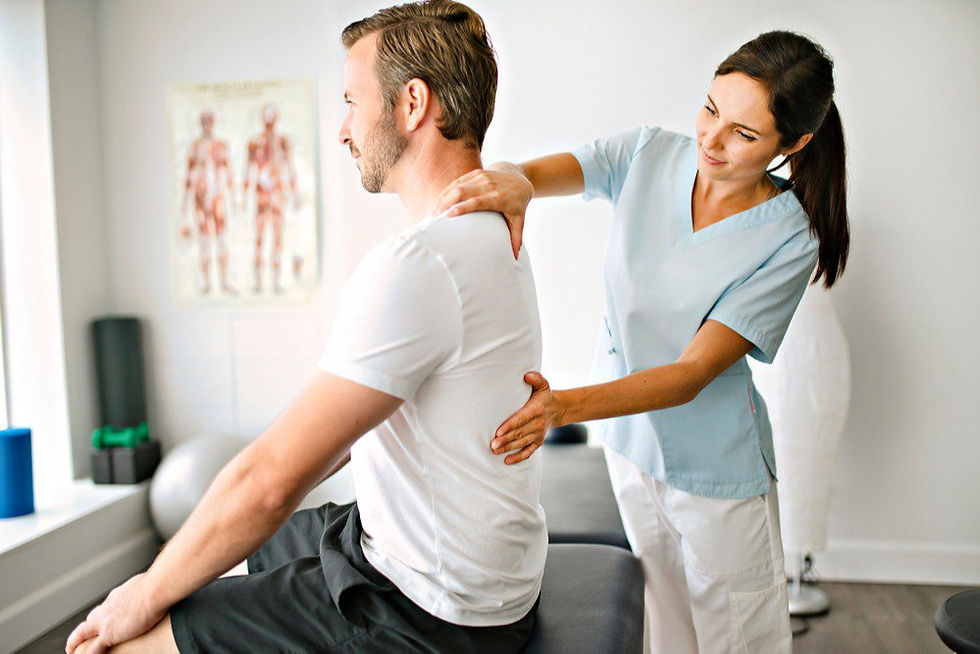
The recovery process of a quad strain is a gradual process that can involve a combination of treatments. Initially, the RICE method (Res, Ice, Compression, Elevation) is the best way to start to manage pain and swelling. Physical therapy can help with this healing process and become pivotal to helping recover properly. In physical therapy treatment we would focus on exercises designed to restore flexibility, strength, and balance. This will go along with preventative measures to keep the quadricep muscles strong and flexible which will reduce the likelihood of injury. Also, warming up before going on any intense physical activity is crucial, as this prepares the muscles for the forthcoming strain of the activity.

Lastly, cooling down is equally important post-activity to gradually cool down the muscles and body to its normal state. Implementing these preventative measures can significantly decrease the risk of quad strain. If you experience a quad strain and need help returning to your previous level of function, give us a call!


Comments